
Pekadi Photography Signature
Von’s Page

About Me

I focus on creating cinematic tones. Portraits, Street, Landscape, I want to share my vision also which lens to choose from depending on which photo style you want to take. Follow my journey and learn new tips & tricks on camera settings as I learn something new everyday.

My Style

Portraits • Street • Landscape

Contact me

My Lenses

A quick look at the glass I’m currently using — what it’s best at, and the style it supports as I grow the kit.

Sigma 18–35mm f/1.8 (APS-C)

On Canon R50 (APS-C): feels like ~29–56mm equivalent • bright f/1.8 zoom

Portraits (environmental) Street Lifestyle Low light Video
  • Best for: versatile “cinematic” look, story shots, street + scenes with context.
  • Strength: f/1.8 across the zoom gives strong subject separation + low-light ability.
  • Look: wider frames at 18–24mm, tighter natural perspective at 30–35mm.
  • Note: It’s an EF-mount lens — use your EF→RF adapter on the R50.

Suggested Use

Street / Lifestyle

24–35mm • f/1.8–2.8 • 1/250+ • ISO as needed

Portrait w/ context

30–35mm • f/1.8–2.2 • 1/200+ • soften background

Moody low-light

18–24mm • f/1.8 • 1/125–1/250 • raise ISO carefully

Kit Lens vs “Fast” Lens (Why Aperture Matters)

A typical kit lens usually has a smaller maximum aperture (for example f/3.5–5.6), which means it lets in less light. In darker scenes, you’ll often need a higher ISO (more grain) or a slower shutter (more motion blur).

A fast lens (like f/1.8 or f/2.8) lets in much more light, so you can shoot cleaner at night, keep your shutter faster, and get more background blur for portraits.

Tip: a lens with a “higher f-number” (like f/5.6) isn’t “better” — it just means less light enters the lens.

Real-world example: Basic lenses aren’t bad — they just require understanding light and timing.

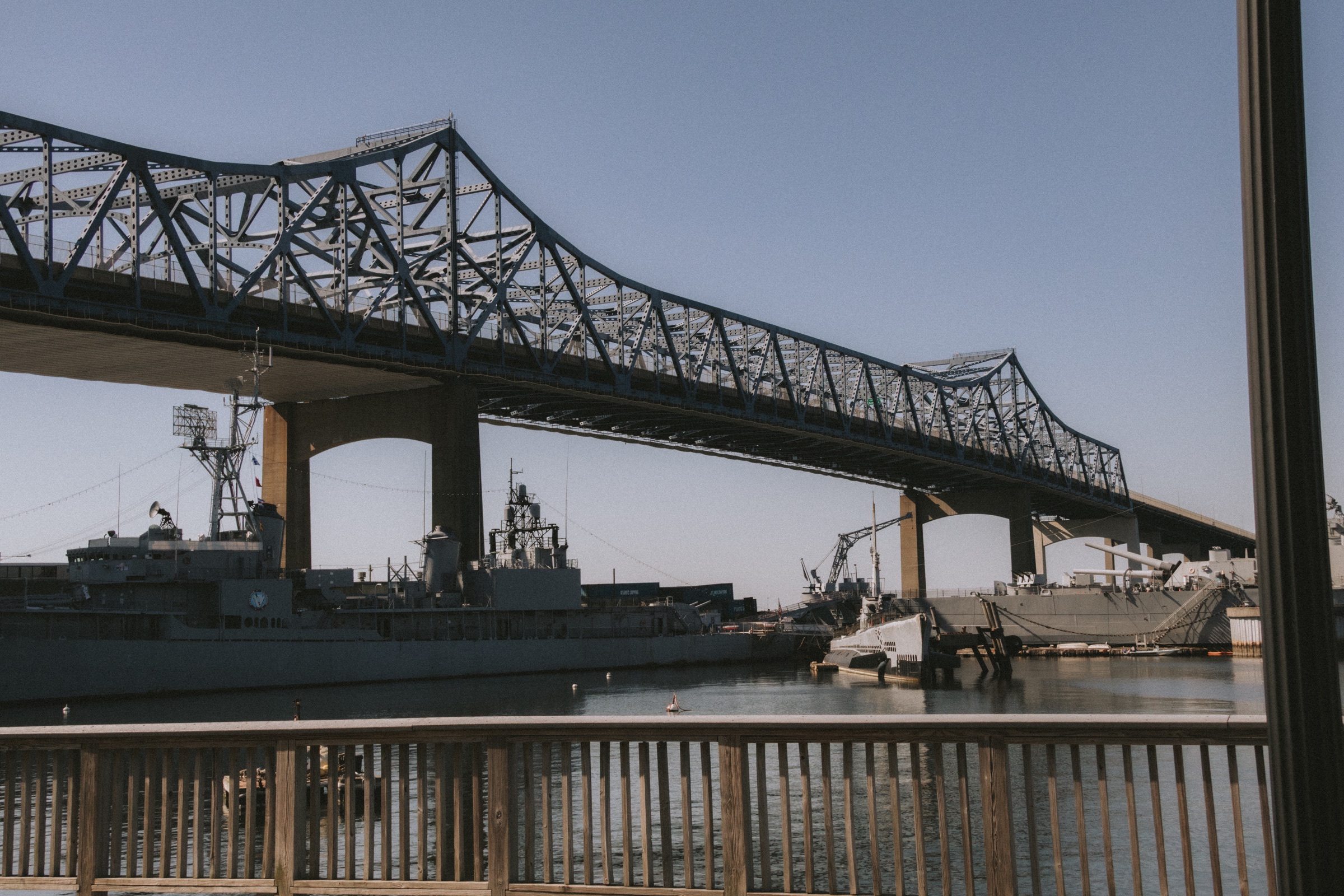
This image was shot using a Canon EF 75–300mm (a common kit/basic telephoto lens). While it has a smaller maximum aperture, good lighting made it possible to keep noise controlled.

  • Lens: EF 75–300mm
  • Focal Length: 280mm
  • Aperture: f/5.6
  • Shutter: 1/1250 sec
  • ISO: 320

When light hits the lens correctly, even slower glass can produce clean images. A touch of grain can be embraced and refined in post for a vintage, cinematic feel.

Example photo shot on Canon EF 75-300mm lens

Understanding Exposure

Photography is a balance between light, time, and sensitivity. Mastering exposure comes down to three core settings.

Aperture

Controls depth of field and how much light enters the lens.

  • Low f-stop: brighter, shallow background
  • High f-stop: darker, deeper focus

Shutter Speed

Controls motion and exposure time.

  • Slow: motion blur, creative movement
  • Fast: freeze action

ISO

Controls sensor sensitivity to light.

  • Low: clean, sharp images
  • High: brighter, more grain

“INSPIRED BY CREATIVITY. DEFINED BY BEAUTY.”

Contact Me